| MOQ: | 1000 square meters |
| Price: | Negotiable |
| Standard Packaging: | Agreed material packaging and delivery quantity |
| Delivery Period: | Confirmed in the quotation for the order |
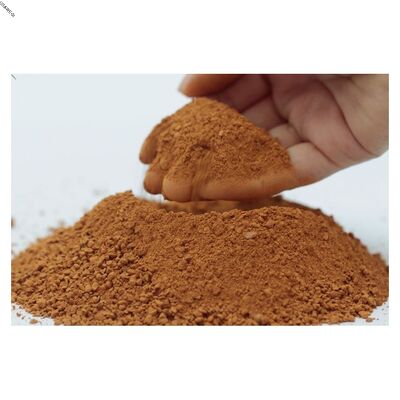
A tired baseball infield can need more than a fresh red colour. Clay A is a sports red clay material reference for discussing infield construction, restoration and compatible local replenishment. Start with the area that actually needs work.
For field contractors and grounds teams, the buying decision is about how replacement material will sit with the existing surface. Grading, compacted condition and water management matter alongside colour and delivery quantity.

An infield skin, a concentrated wear area and a specialised mound or batting position do not automatically use the same recipe. Describe the location and intended maintenance method before selecting a grade.
For a top up, compare a sample of the existing material with the proposed Clay A supply. Mixing incompatible materials can change preparation and moisture behaviour; a trial area can inform the renovation plan before large quantities are spread.

Low spots can collect water and displaced fines. Adding material without checking levels can leave the same wet areas under a new red surface. Establish the drainage route and the proposed finished profile with the local field team.
Loose contamination, weeds and unsuitable old material need attention before placement. The amount to remove or retain is a site decision. Material supply is quoted separately from excavation, base correction and drainage work.

A clay infield is managed through moisture, grooming, compaction and local surface restoration. Coordinate the supplied grade with the watering and rolling equipment the operator can realistically use.
In dry weather, the surface condition can differ from its condition after rain. Follow the selected material guidance and local inspection routine. Avoid treating a red mineral surface as maintenance free or promising a fixed water saving without a site comparison.
Send the measured treatment area, proposed finished layer and the supplier-confirmed material requirements. Compaction, removal and practical allowance affect the purchase quantity, so an area in square metres alone is not a complete mass calculation.
The order can identify the Clay A reference, approved grading, packing, quantity and delivery destination. Origin and technical documents should be stated for the particular supplied material; an old general certificate is not a substitute for that identification.

| Brand | USAWEGI |
|---|---|
| Model reference | Clay A |
| Construction | Selected for the agreed project and approved material sample |
Can it repair every mound? Mound and batting-area requirements need their own assessment; do not substitute a general infield material on colour alone.
Can an existing field stay in use during the work? Agree the sequence, moisture condition and reopening decision with the grounds team. Send field photographs, existing material information and the planned work area for a renovation material discussion.